 Featured
 Starlink for caravans in Australia: the kit, the plan and the power
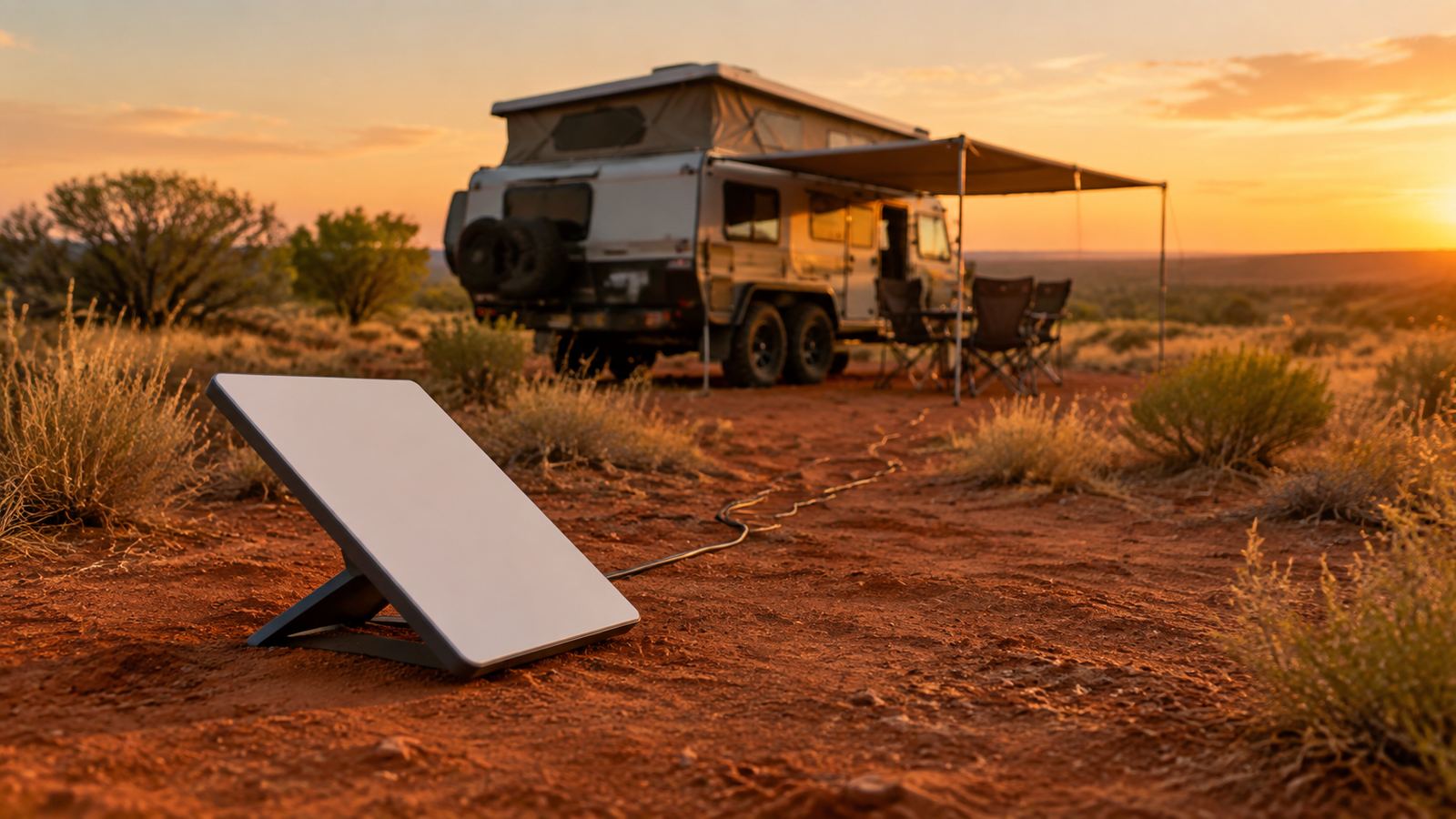
A Starlink Mini is $287 and draws 25 to 40 W straight off 12V, no inverter. Roam is $85 or $210 a month. What most caravan guides get wrong about both.
Read articlePlain-English writing on Starlink, low-Earth orbit, and what it's actually like to run satellite internet from a remote camp.
Featured A Starlink Mini is $287 and draws 25 to 40 W straight off 12V, no inverter. Roam is $85 or $210 a month. What most caravan guides get wrong about both.
Read article 02
02 Most worth-it answers use hardware and plan prices that are too high, some by 85%. Corrected figures, plus what our own hire kits actually measure across regional WA.
Read article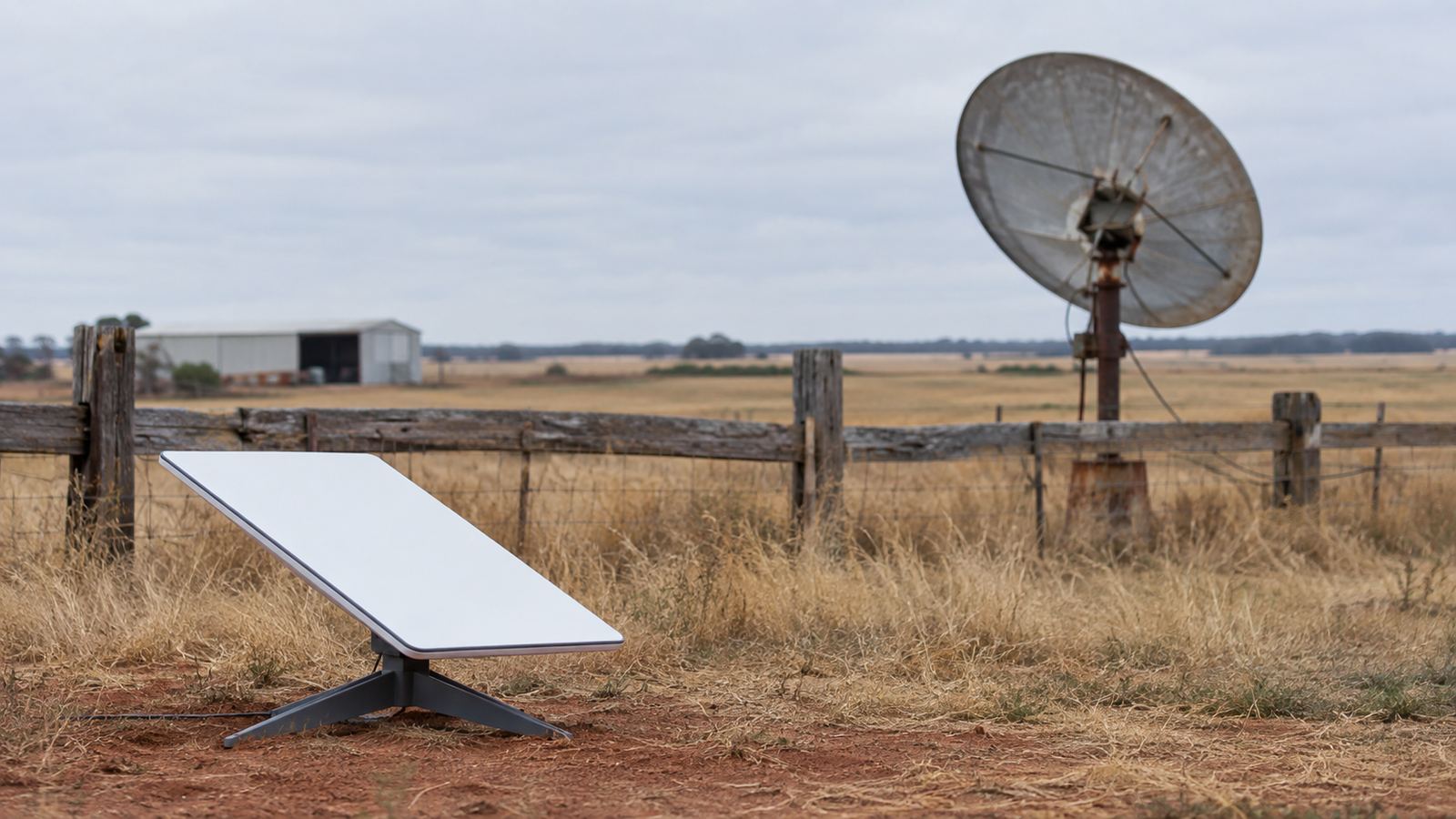 03
03 The ACCC measured Starlink latency at 29.8 ms and Sky Muster at 664.9 ms. Most comparison tables also mix incompatible speed units. Here is what is genuinely comparable, from one report.
Read article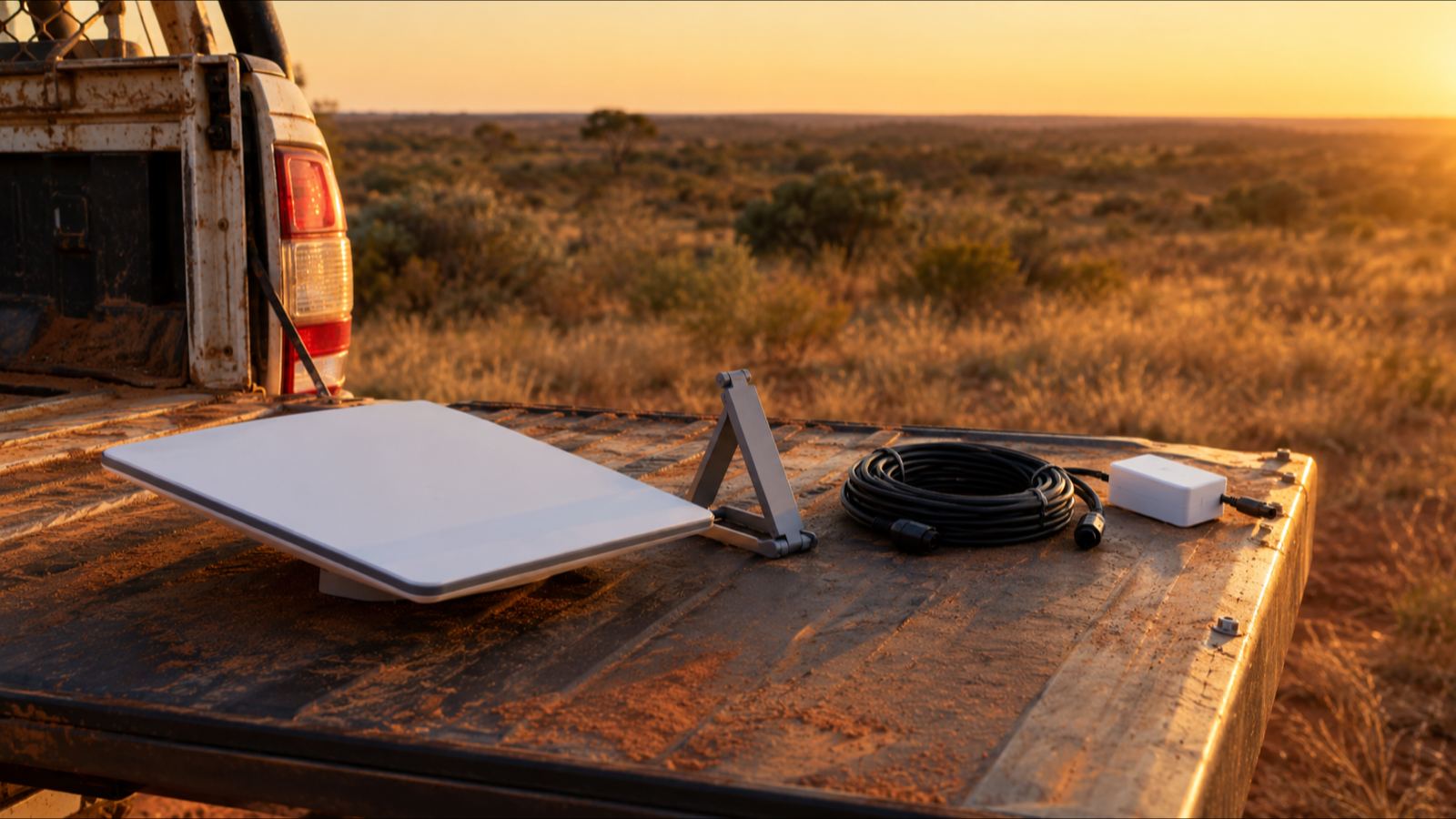 04
04 Hardware from $288, plans from $75 a month, and a location surcharge that can reach $1,295. Real Australian prices checked against Starlink and two retailers on 7 September 2026.
Read article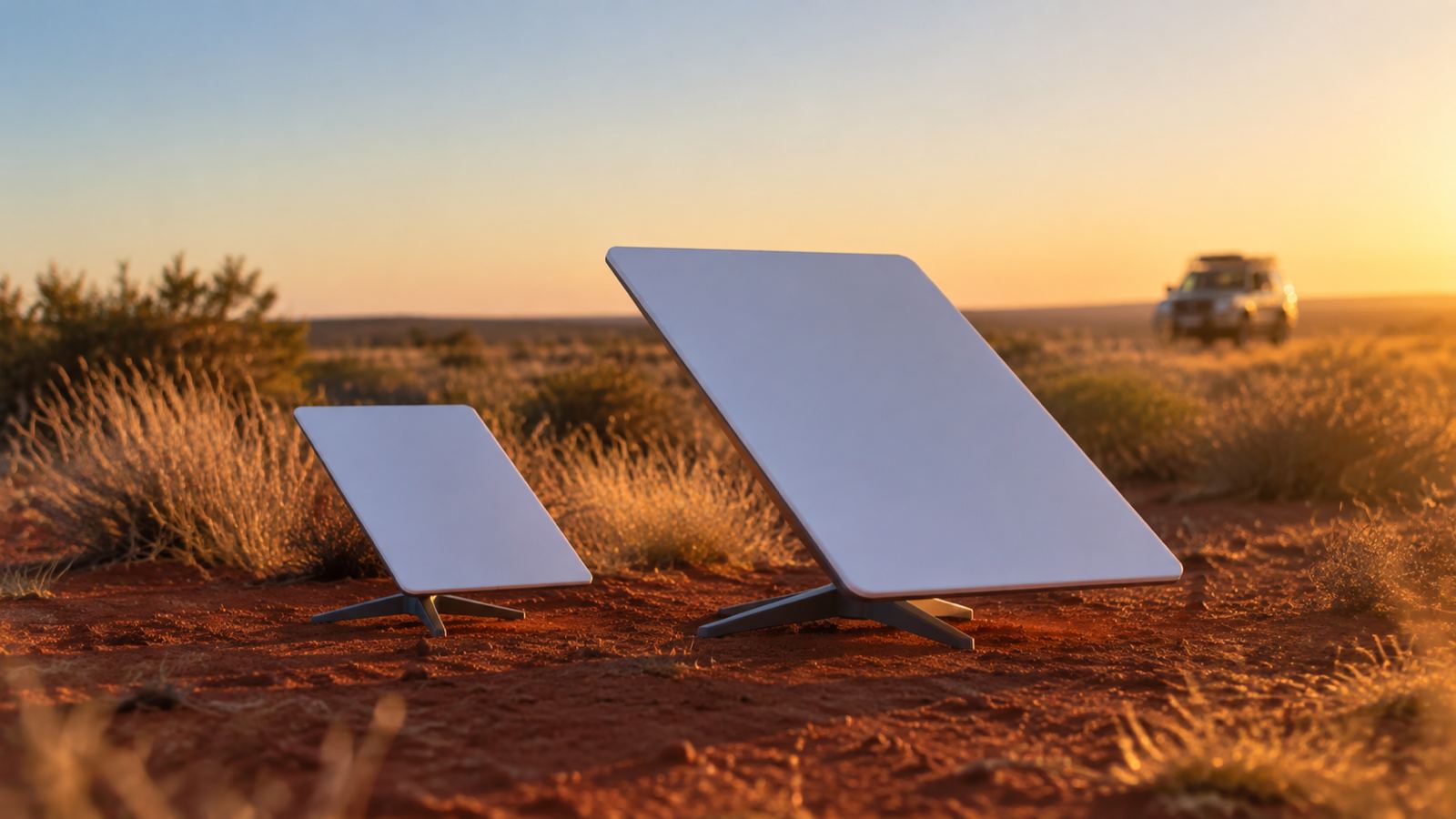 05
05 Starlink's own spec sheets, in metric, for Australian buyers. Same antenna, same wind rating, same field of view. The real difference is power draw and 12V input, not speed.
Read article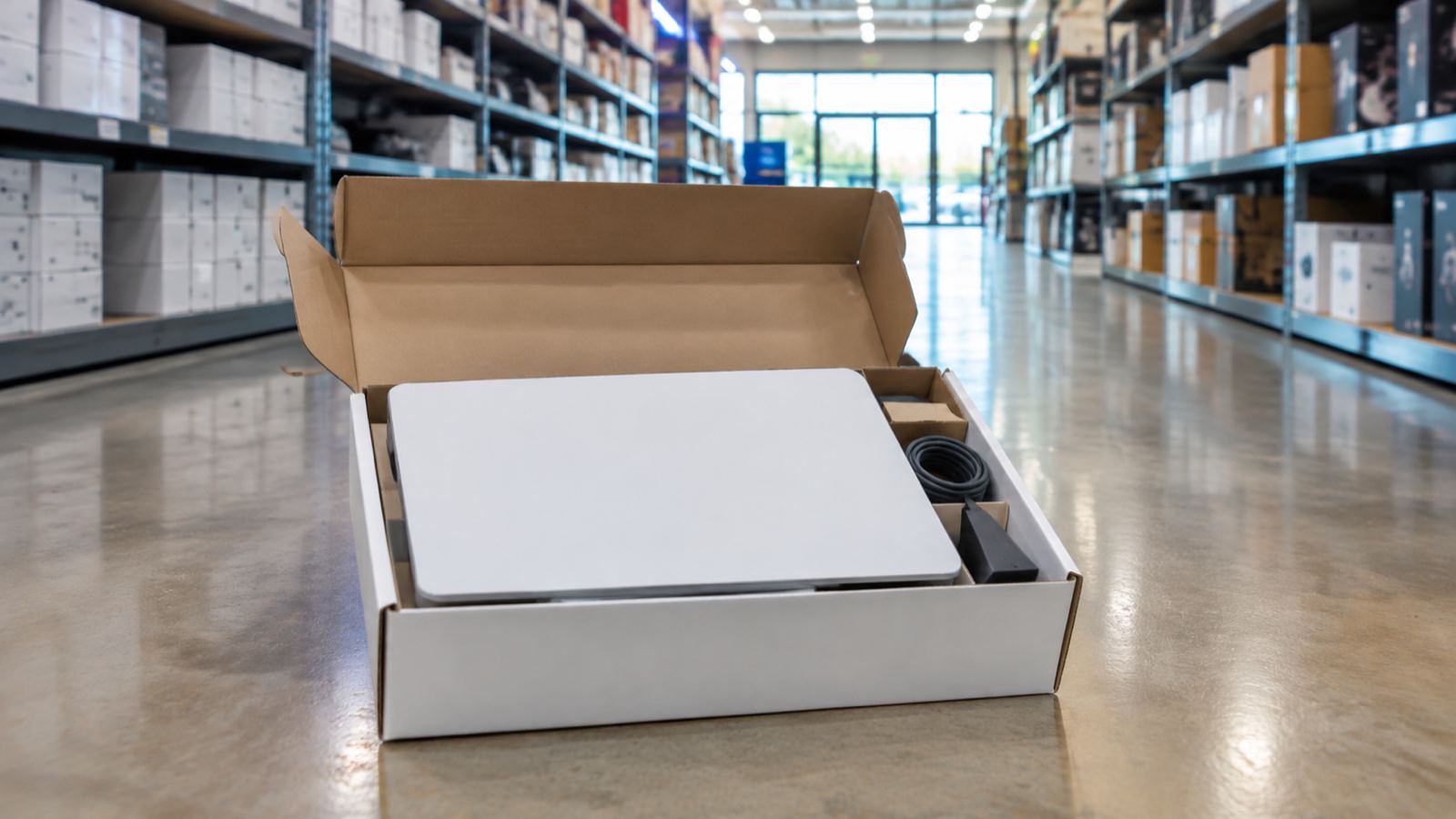 06
06 JB Hi-Fi, Bunnings, Officeworks, Harvey Norman, BCF and Telstra prices checked on 7 September 2026, plus the reason the cheapest shelf price is not the cheapest way to buy.
Read article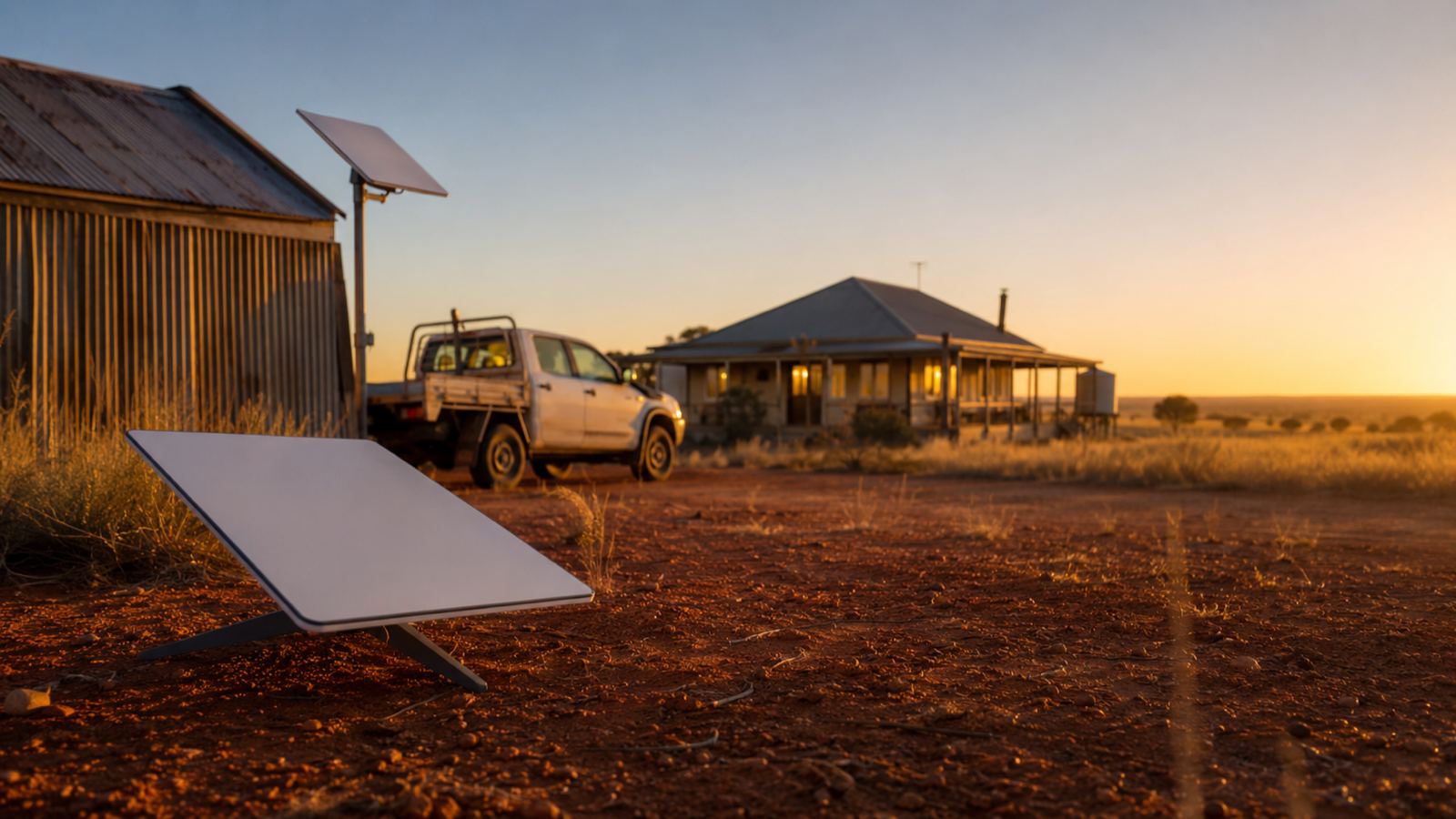 07
07 Every Starlink plan and price in Australia, checked against Starlink's own site on 4 September 2026. Residential from $75, Roam from $85, and the figures most comparison sites still have wrong.
Read article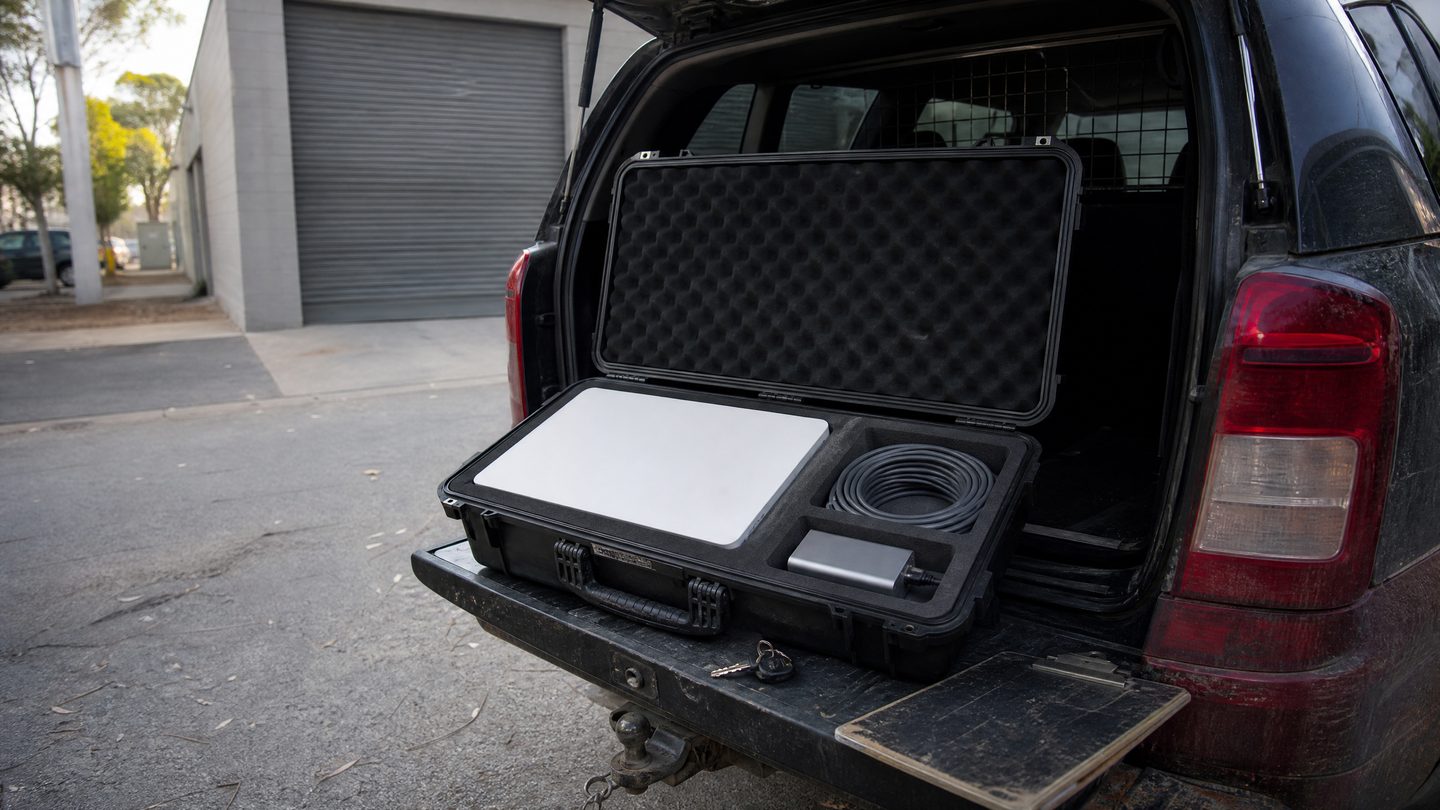 08
08 What you pay and when, what happens at the Cloverdale handover, what the $300 bond covers, and the rules on early and late returns. No surprises.
Read article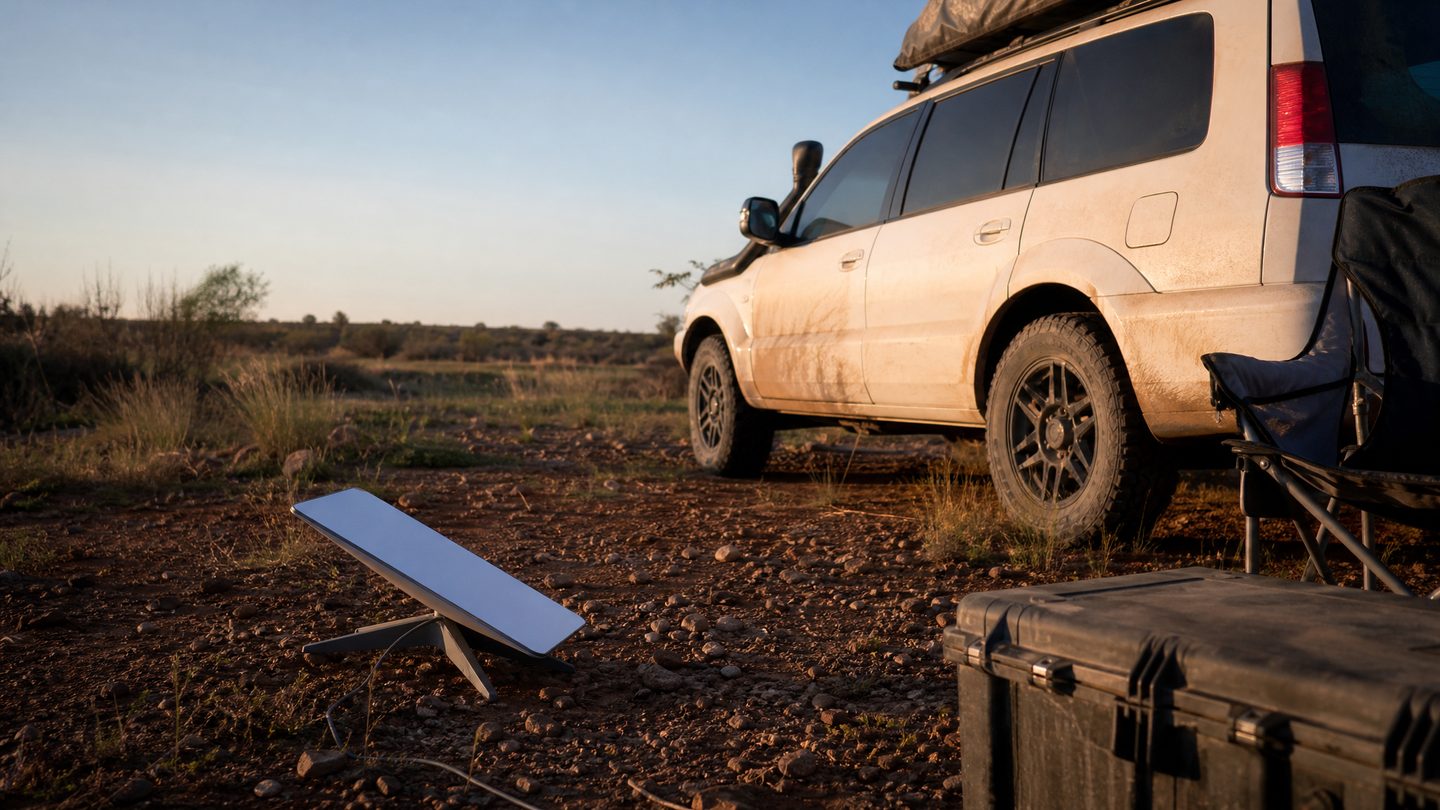 09
09 The Mini is $499 plus a monthly plan. A week's hire is $179. Here is the break-even worked out at one week, a fortnight, a month and three months.
Read article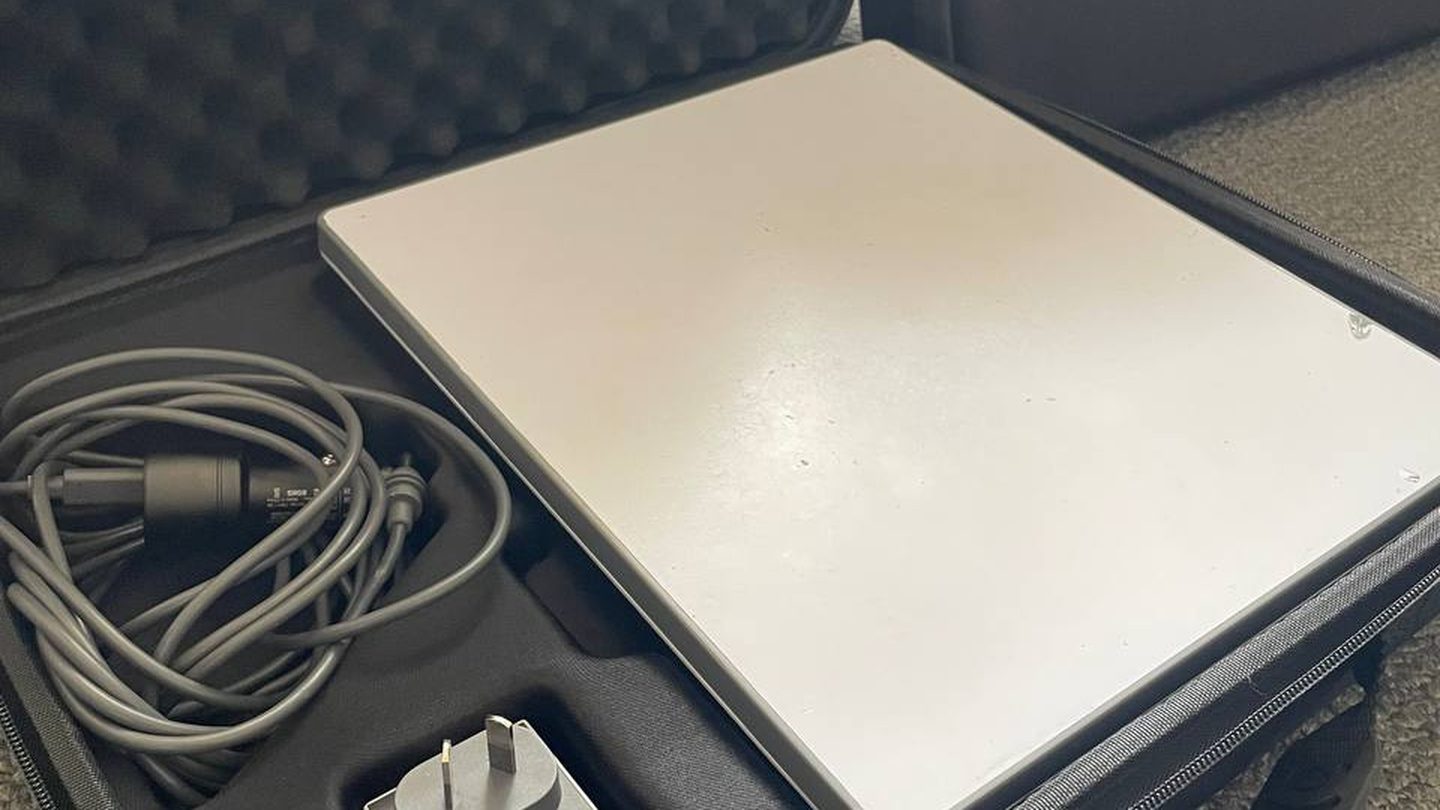 10
10 Every item you collect at Cloverdale, photographed: the Starlink Mini, both cables, the 240V adapter and the case. Plus what is not included, and why.
Read article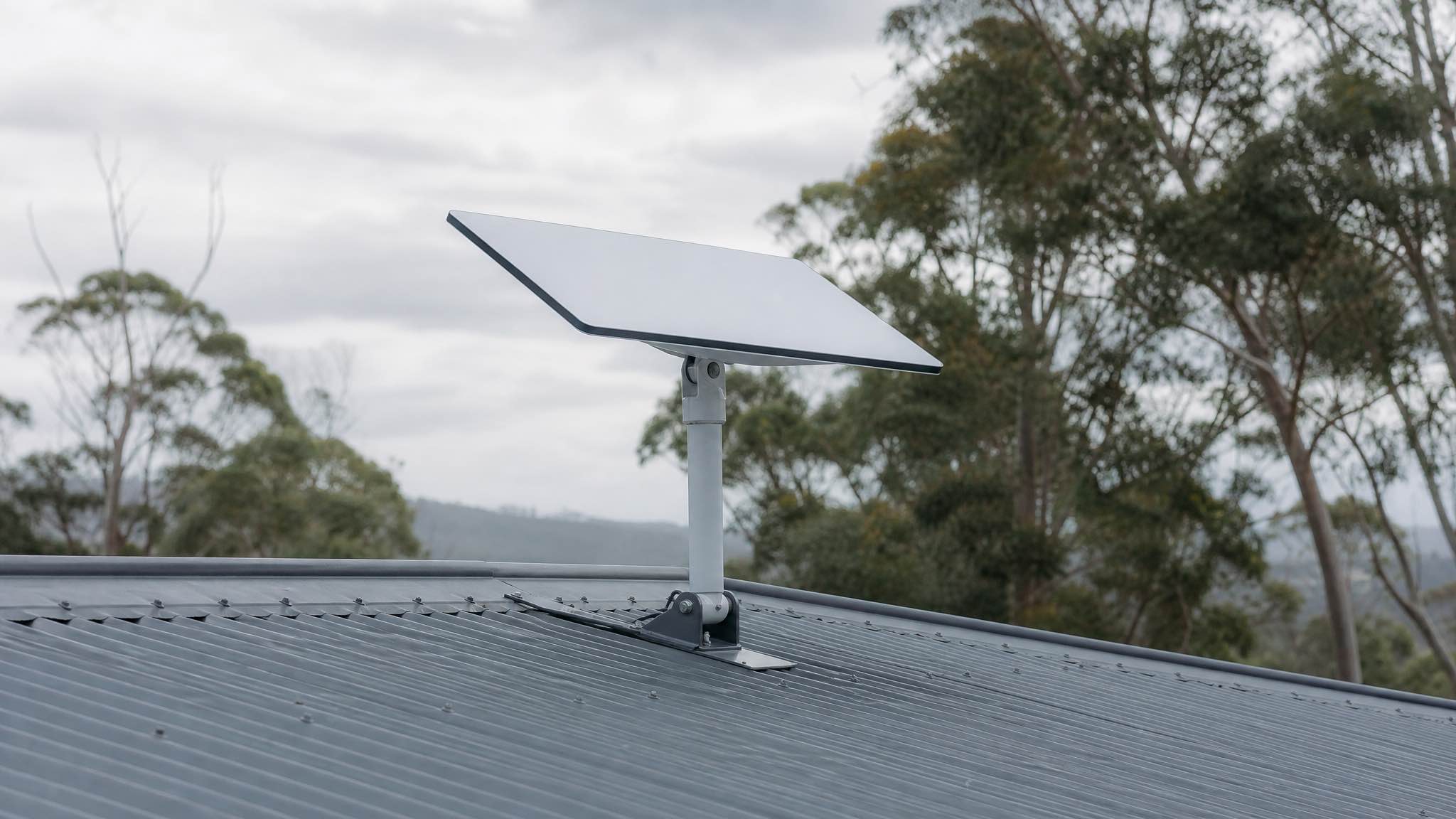 11
11 Plain-English guide to how Starlink works, from the dish on your roof to satellites at 550 km, written by people who hire the kit out across remote WA.
Read article 12
12 Researchers say Starlink reentries, alumina build-up and radio noise could push low Earth orbit past a tipping point by 2035. What is real, and what is not.
Read article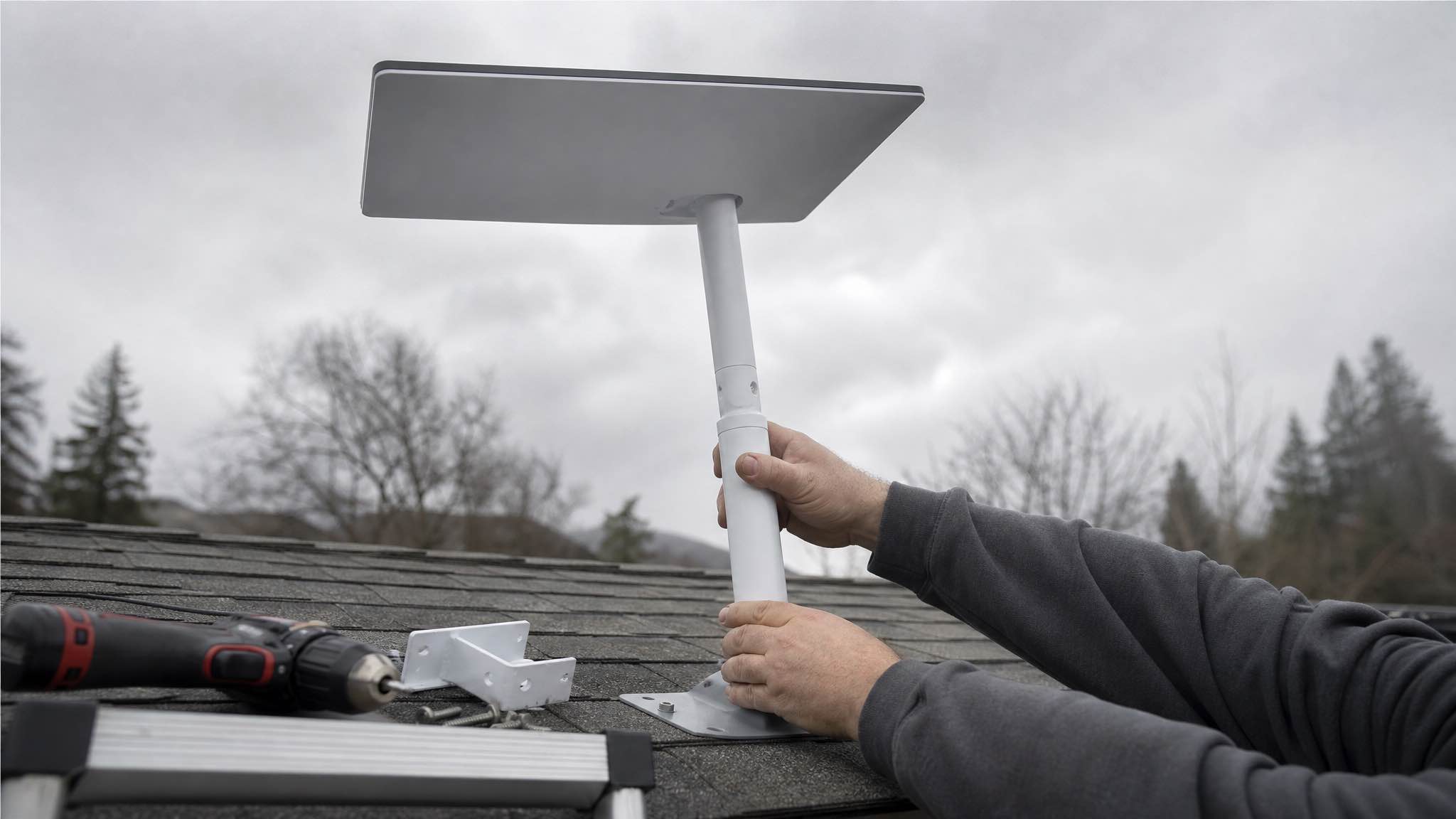 13
13 A practical Australian guide to installing your own Starlink dish: site survey, mount choice, cable run, sealing, and the network settings most people miss.
Read article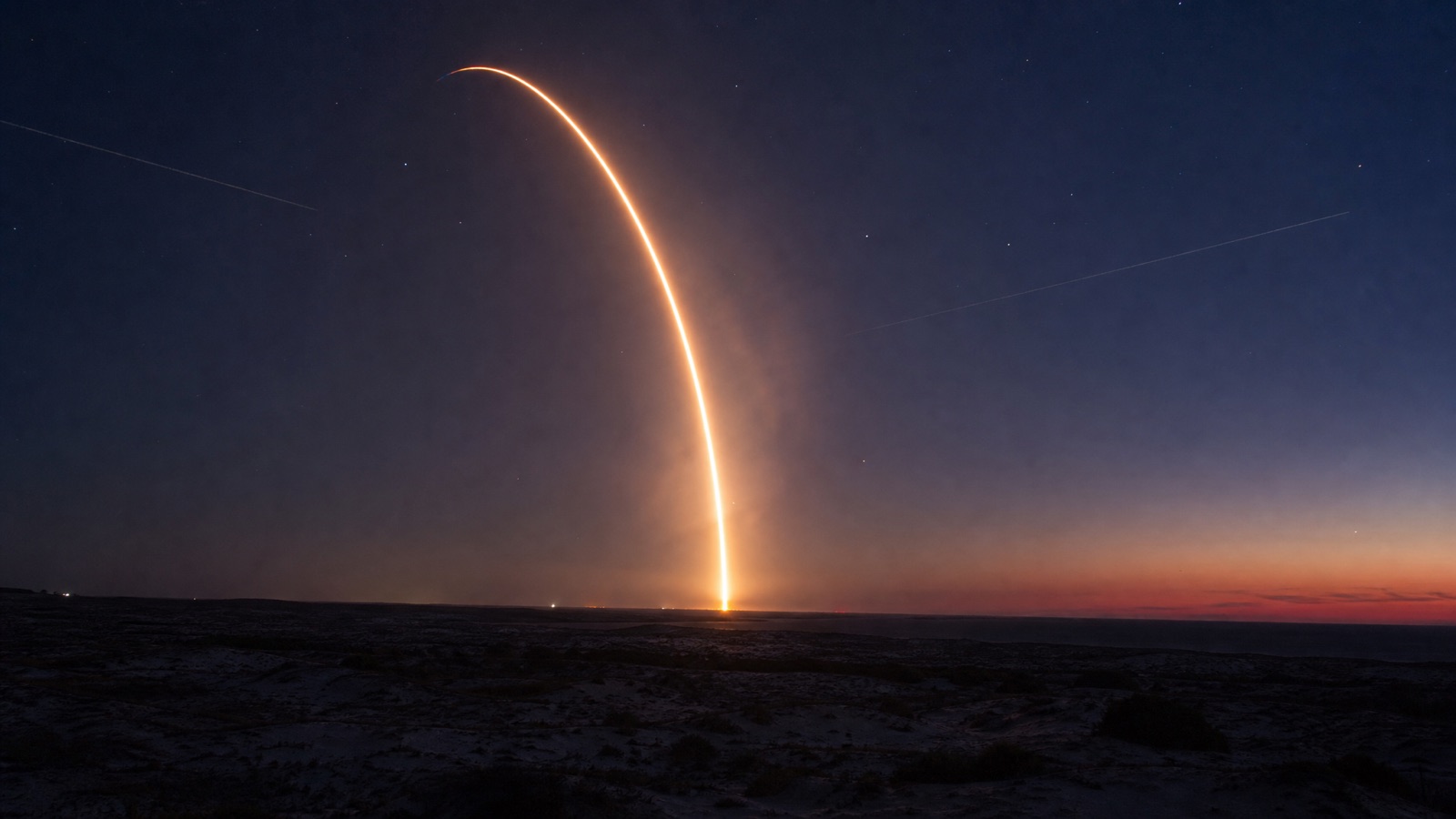 14
14 Starlink V3 brings more capacity, tighter beams and laser routing. What that changes in practice for homes, farms, boats and travellers in WA, and what it does not.
Read article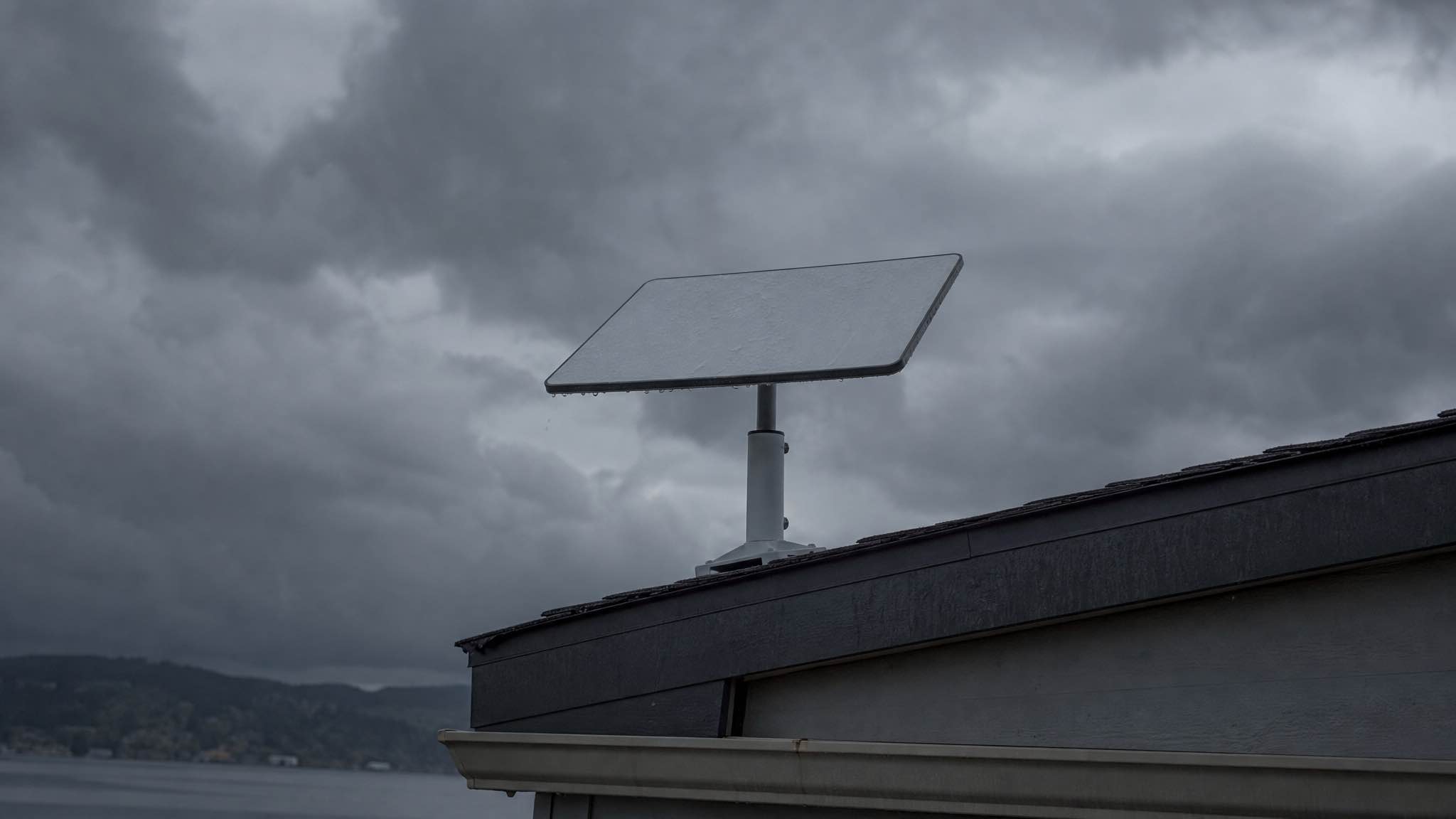 15
15 Heavy rain slows Starlink for a few minutes, not an afternoon. What WA storms, wet season, heat and salt actually do to a dish, and how to set up for it.
Read article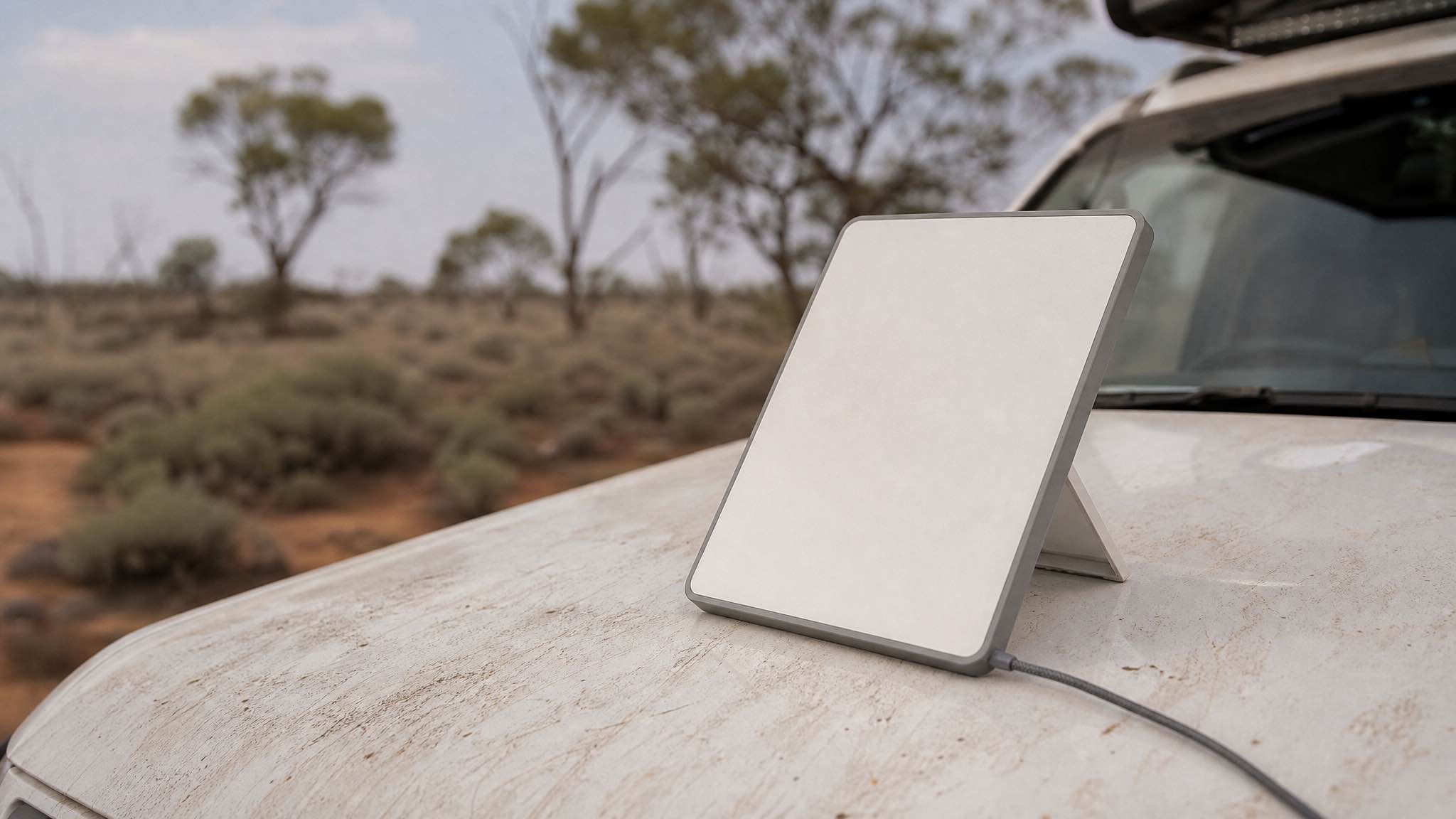 16
16 Working from a van in WA? What actually keeps you online: Starlink Mini against Telstra 4G, real measured speeds, power maths, and what a hire costs.
Read article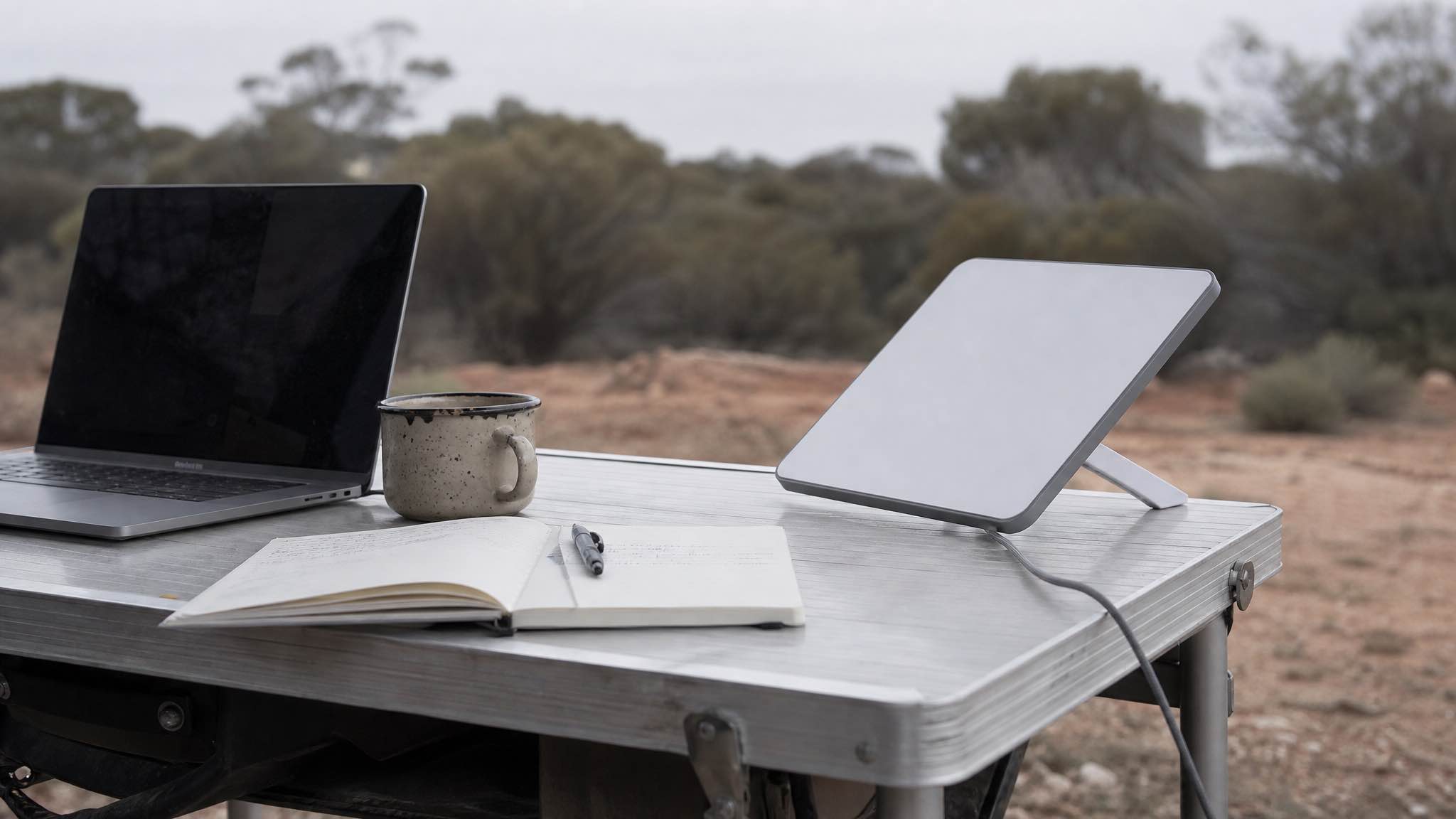 17
17 What actually connects when you're working 400 km from a town: Starlink against mobile and Sky Muster, real measured speeds, power planning, and hire costs.
Read article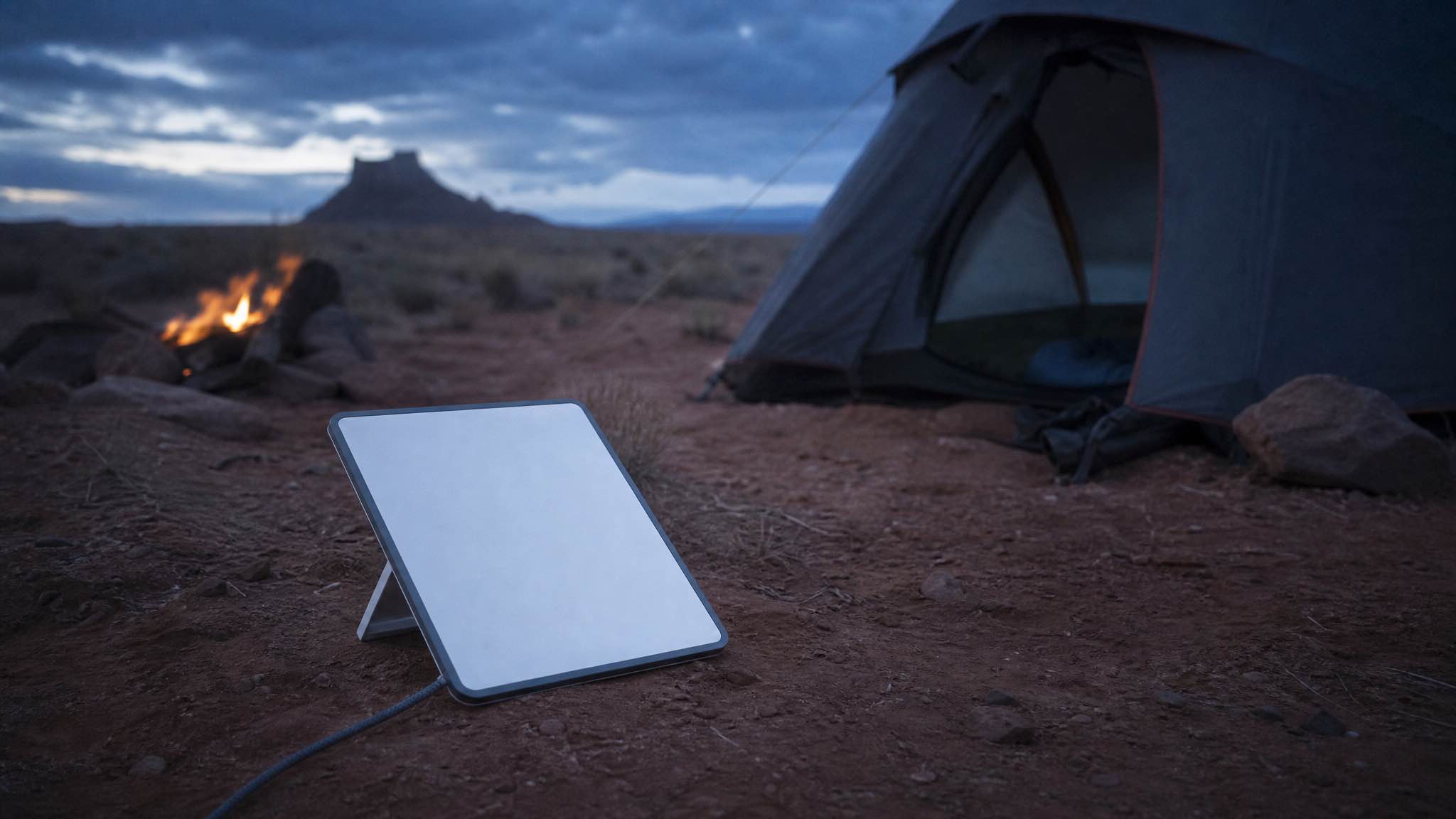 18
18 Setting up Starlink at a remote WA campsite: the kit, the power maths, sky alignment, weather protection, and the fixes that save the trip.
Read article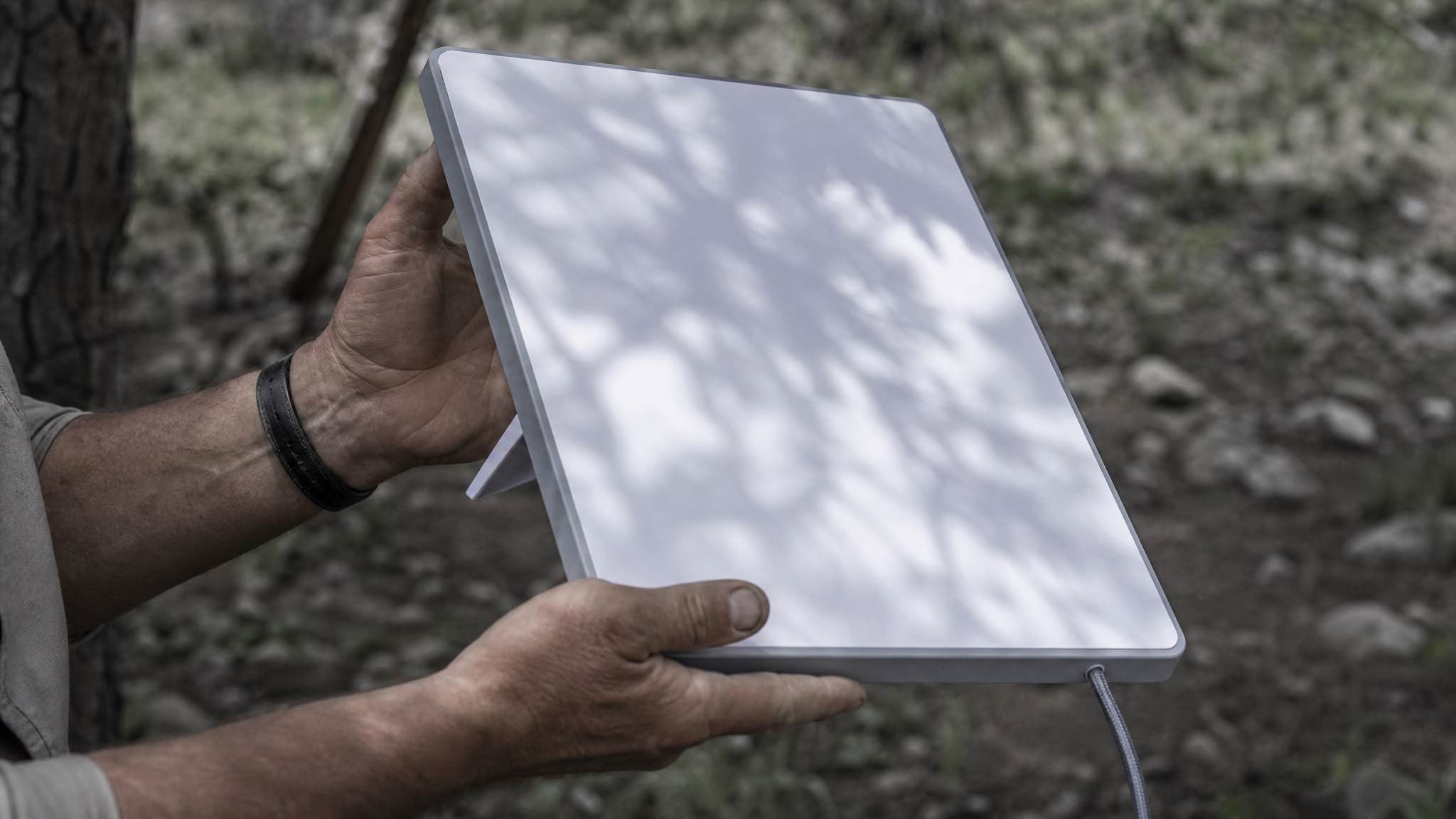 19
19 Starlink offline, obstructed, slow, or rebooting in the car? The five faults we see most often on returned hire kits in WA, with the fix for each.
Read article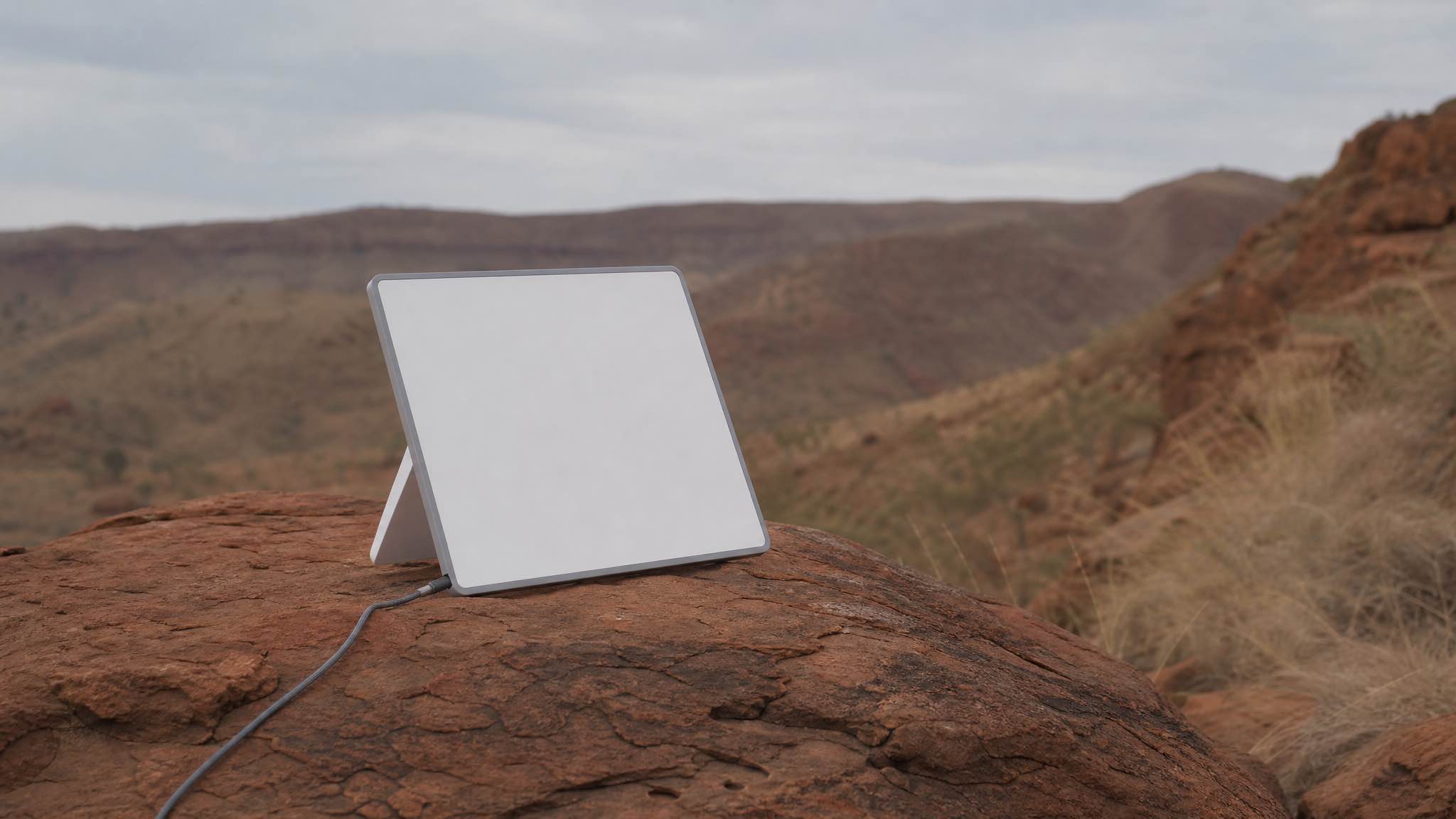 20
20 The ACCC measured Starlink at 230.4 Mbps all hours and 199.1 Mbps in the evening peak, but only on Residential Max. On a capped $75 plan you get 100 Mbps. Our own WA hire kits read 175 to 180.
Read article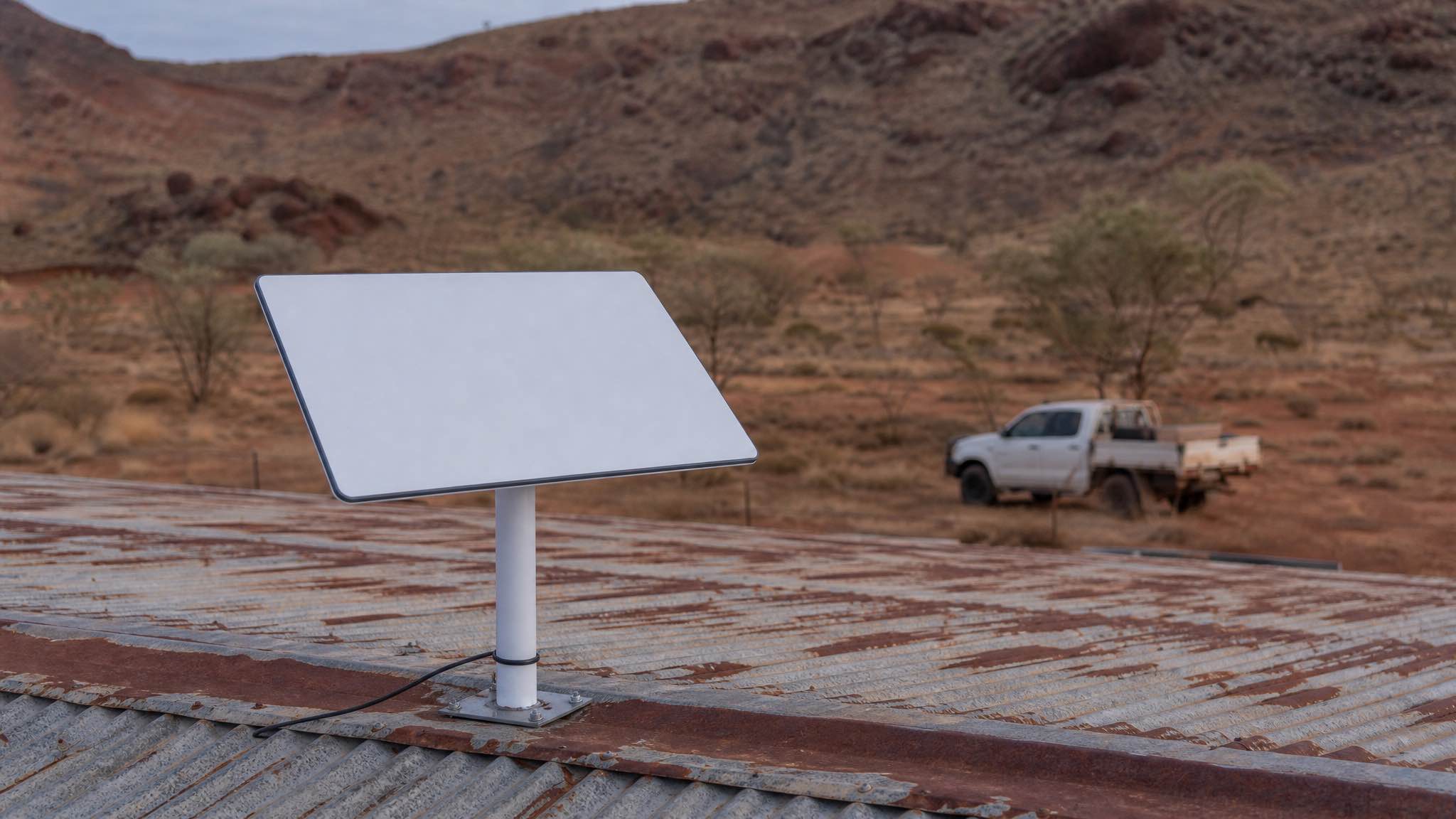 21
21 Starlink cut latency from about 600 ms to 25-40 ms and took remote downloads from a 25 Mbps ceiling into the hundreds. What actually changed, and what did not.
Read article